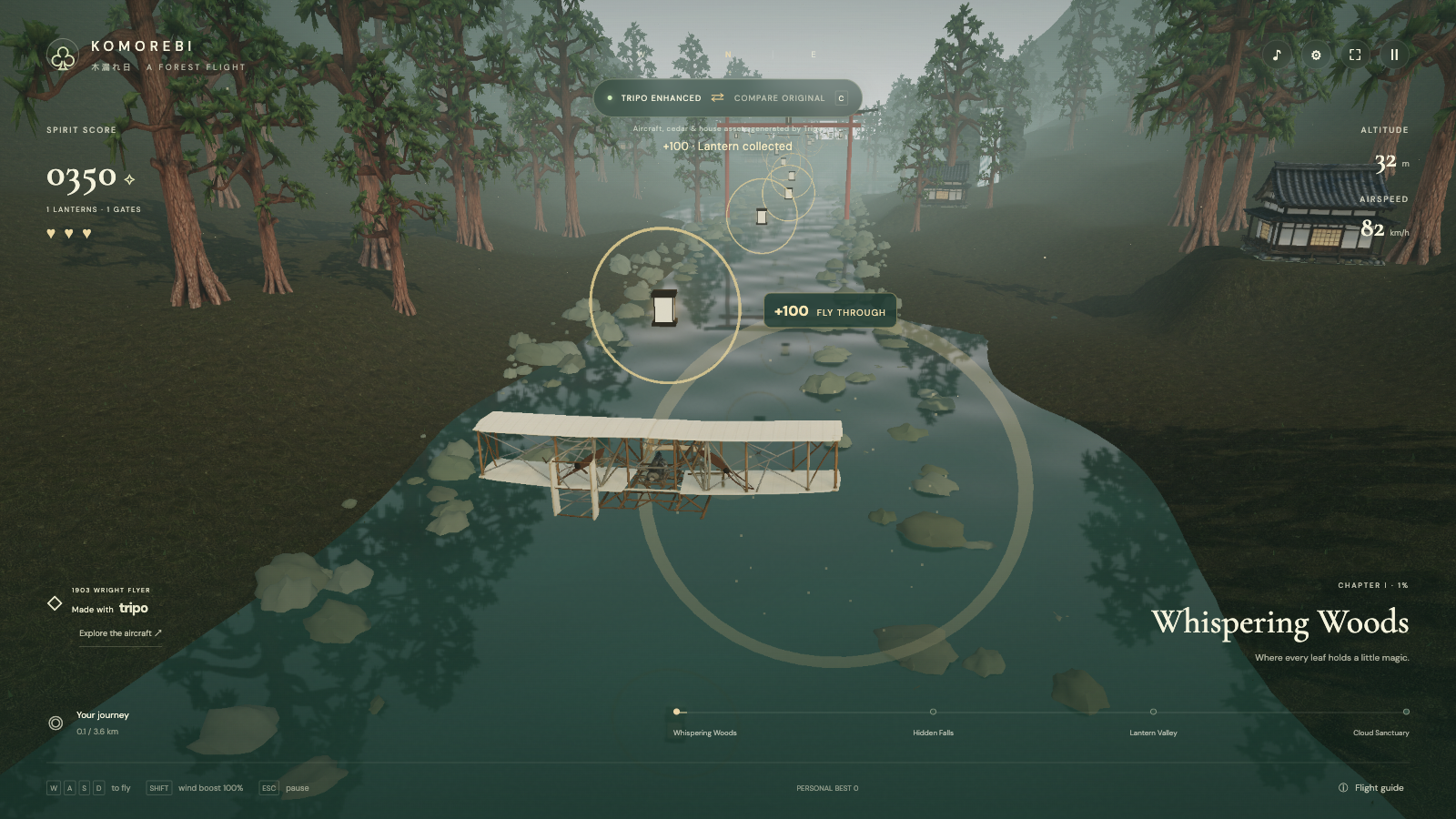
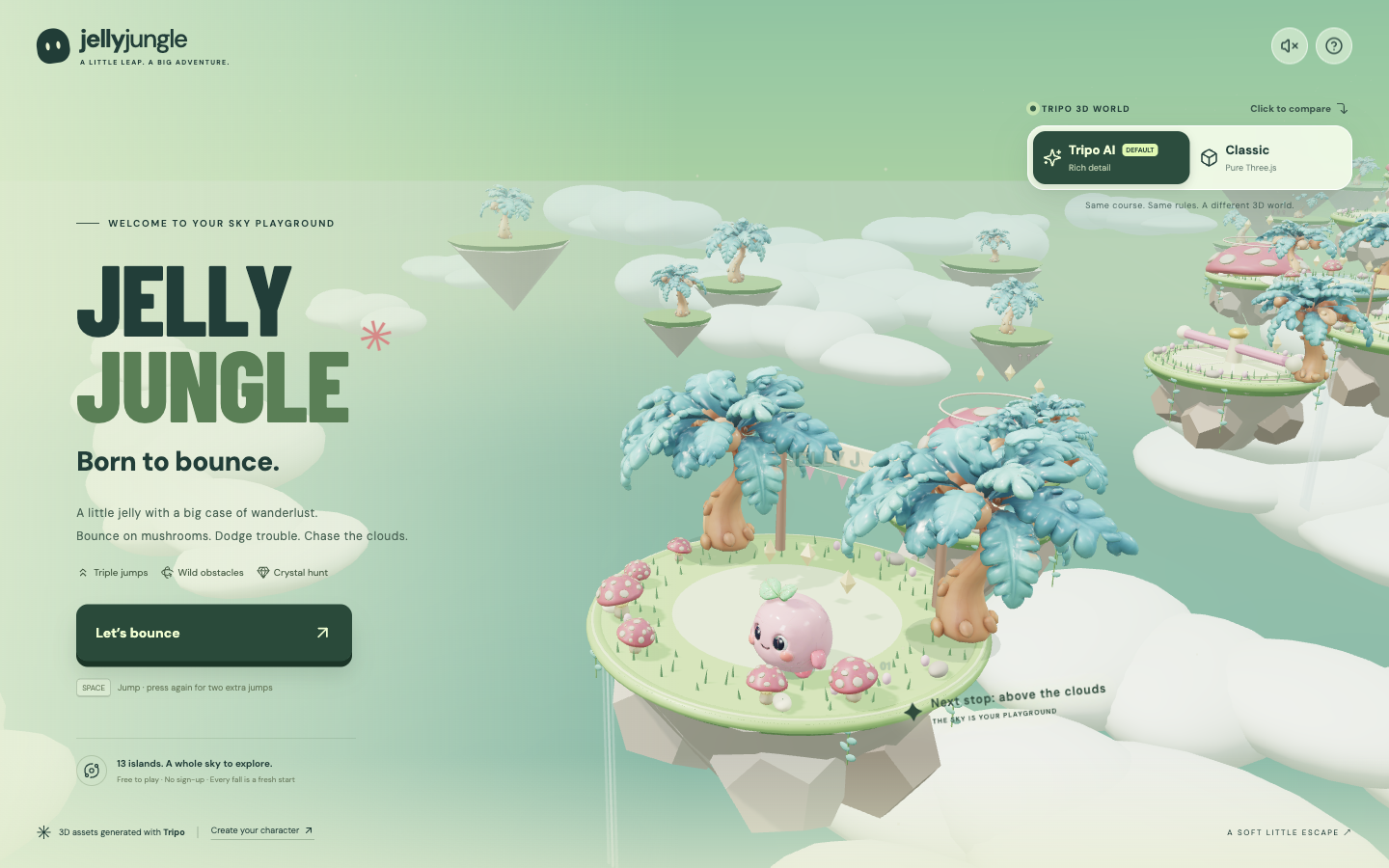
Start with the right workspace
Open your preferred coding assistant or 3D tool. Use the model shown on the example as a starting point, and check any linked project for setup instructions.
The author shared this as a recommended starting prompt for building a version like their interactive Brain Cat website. It requests a responsive 3D anatomy explorer with transparent reveal, rotation, structure separation, labeled regions, layer controls, animated educational signals, and scientific-source attribution.

About this example
A starting brief based on the creator's public project, not a verbatim original prompt. Your result will vary.
Create a working responsive website for exploring 3D anatomy. Use publicly available scientific datasets and real anatomical geometry where available. Begin with an external view that becomes transparent while the user zooms in, revealing the anatomy beneath. Support model rotation, separated structures, labeled-region selection, and a side panel for layer toggles. Provide tabs for anatomy, connections, and individual cells, including animated signals and adjustable controls. Use a minimal modern interface with soft lighting, subtle colors, smooth transitions, little text, directional arrows, and a short visual tutorial. Clearly cite sources and distinguish scientific data from illustrative animations.
Open your preferred coding assistant or 3D tool. Use the model shown on the example as a starting point, and check any linked project for setup instructions.
Swap the subject, art style or setting. Keep the camera and interaction clear. Build a small version first, then refine one detail at a time.
For a custom character or prop, create a 3D model from a short object description or reference image, then bring it into your project.
Previews belong to their respective creators. Check the original source and project license before reusing code or assets.